How to Choose Beauty Tools for Sculpting Cheekbones
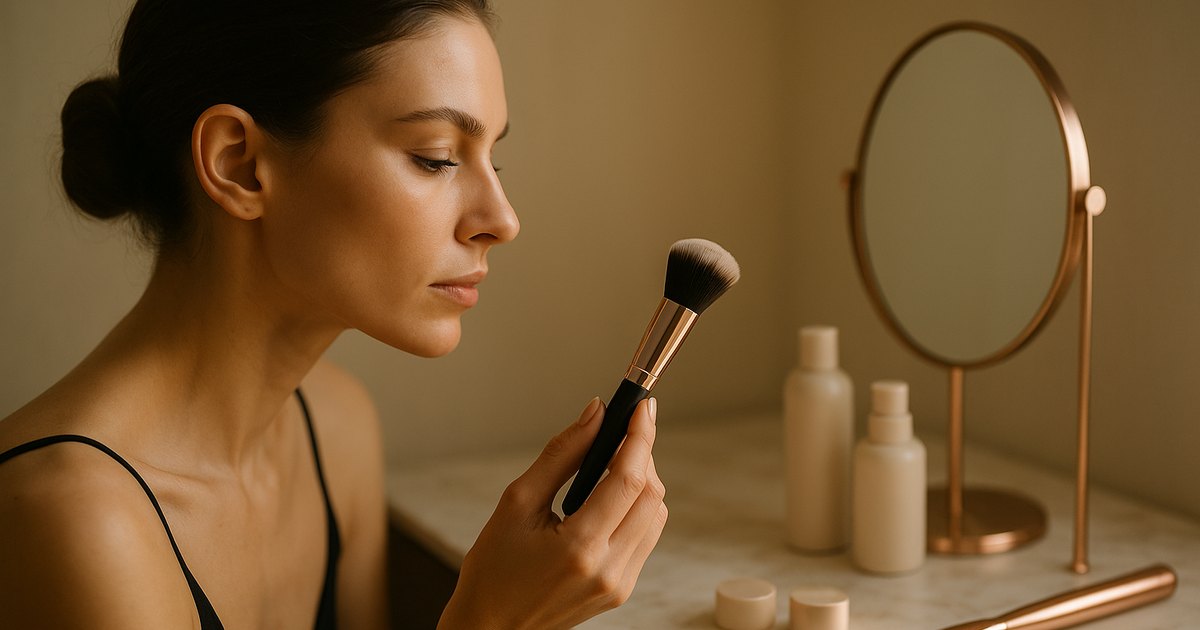
If you've ever scrolled through beauty videos and wondered how influencers get those crisp, snatched cheekbones, the secret often isn't just makeup skill—it's the right tool. Learning how to choose a beauty tool for sculpting cheekbones can transform your everyday routine, whether you're contouring with cream products or massaging your face for a naturally lifted appearance. With so many gadgets on the market, from jade rollers to metal contour bars, picking the right one can feel overwhelming.
This guide breaks down exactly what to look for, so you can invest in a tool that actually delivers results instead of collecting dust in a drawer. We'll also cover how face shape, skin type, and budget can influence your choice.
Why Cheekbone Sculpting Tools Matter
Cheekbones are one of the most defining features of the face. A well-sculpted cheekbone creates the illusion of lift, structure, and youthful contour. While makeup brushes and sponges can apply product, specialized sculpting tools help you blend precisely along the bone structure, giving a more natural, chiseled finish than fingers alone.
Beyond makeup application, many tools double as facial massage devices, which can support circulation and give skin a temporary de-puffed, energized look before you even apply product. Over time, incorporating these tools into a consistent routine may also help you become more familiar with your own facial contours, making everyday makeup application faster and more precise.
Types of Beauty Tools for Sculpting Cheekbones
Contour Brushes
Angled contour brushes are designed specifically to hug the hollows of the cheeks. Look for a firm but flexible brush head that allows for precise placement of powder or cream contour along the cheekbone. Densely packed bristles tend to deposit more pigment, while fluffier brushes are better for softening harsh lines.
Sculpting Sponges
Small, precision-cut sponges are excellent for blending cream or liquid contour seamlessly into the skin. They're especially useful for beginners who want soft, diffused lines rather than harsh streaks. Many sponges come with an angled edge specifically designed to fit into the hollow of the cheek, making them a great option for quick everyday application.
Facial Rollers and Gua Sha Tools
Jade, rose quartz, and stainless steel rollers are popular for massaging along the cheekbones. Gua sha tools, in particular, are shaped to follow the contour of the face, making them ideal for both skincare massage and makeup blending. The flat edges and curved notches on many gua sha tools are specifically designed to cup the cheekbone, which makes them versatile for both sculpting and relaxation purposes.
Metal Contour Bars
These sleek, often cooling metal tools are designed to press gently into the hollows of the cheeks, helping define the bone structure while also providing a soothing, cooling sensation. Some come with textured rollerball ends for added stimulation, while others have a smooth, flat surface for gliding motions.
What to Look for When Choosing a Cheekbone Sculpting Tool
When comparing options, keep these factors in mind:
- Material: Stainless steel and natural stone tools tend to last longer and feel cooling on the skin, while silicone and sponge options are softer and more forgiving for sensitive skin.
- Shape: Look for a curved or angled edge that mirrors the natural slope of your cheekbones for more precise application or massage.
- Size: Smaller tools offer more control for precise contouring, while larger tools may be better suited for broader massage strokes.
- Ease of cleaning: Tools with smooth, non-porous surfaces are easier to sanitize between uses, which matters for skin health.
- Multi-purpose function: Some tools work for both skincare massage and makeup blending, which can save money and space in your routine.
- Handle grip: A comfortable, non-slip handle makes it easier to maintain consistent pressure and angle during use.
If you're just starting out, a versatile option like a multi-use facial sculpting tool can be a smart way to test different techniques before investing in more specialized items.
Choosing a Tool Based on Your Face Shape
Your face shape can influence which tool and technique work best for you. While any tool can be adapted with practice, these general guidelines can help:
- Round faces: Angled contour brushes or metal bars with sharper edges can help create more definition and the illusion of length.
- Square faces: Softer sponges may help blend contour more gently along strong jaw and cheek angles for a balanced look.
- Heart-shaped faces: Smaller, precision tools work well for targeting the narrower lower cheek area.
- Oval faces: Most tools work well, since this face shape has naturally balanced proportions.
Regardless of face shape, practicing with your chosen tool in front of a mirror and adjusting pressure and placement will help you find what works best for your unique bone structure.
Comparing Popular Cheekbone Sculpting Tools
| Tool Type | Best For | Material Options | Skill Level |
|---|---|---|---|
| Contour Brush | Powder contour application | Synthetic or natural bristles | Beginner to advanced |
| Sculpting Sponge | Cream/liquid blending | Latex-free foam | Beginner |
| Gua Sha Tool | Massage + subtle contour lift | Jade, rose quartz, resin | Beginner to advanced |
| Metal Contour Bar | Precision + cooling massage | Stainless steel | Intermediate |
How to Use a Cheekbone Sculpting Tool Effectively
Technique matters just as much as the tool itself. Here's a simple approach to get started:
- Cleanse and moisturize your skin before using any massage-based tool.
- Apply cream contour along the hollow of your cheek, just below the cheekbone.
- Use your chosen tool to blend upward and outward toward the hairline, following the natural angle of the bone.
- For massage tools, use light pressure and always move in an upward, outward motion to avoid dragging the skin.
- Finish with a setting powder if you used cream products, to help the contour last throughout the day.
Consistency is key. Using your tool a few times a week, whether for makeup application or massage, can help you get more comfortable with the motion and achieve more natural-looking results over time. It also helps to periodically check your work in natural light, since indoor lighting can sometimes hide harsh lines or uneven blending.
Matching Tools to Your Skin Type
Your skin type can also play a role in which tool feels most comfortable and effective:
- Oily skin: Cooling metal tools can help temporarily minimize the appearance of shine while sculpting.
- Dry skin: Softer sponges paired with a hydrating cream contour may blend more smoothly without emphasizing texture.
- Sensitive skin: Look for tools with smooth, rounded edges and use gentle pressure to avoid irritation.
- Combination skin: A versatile tool, such as a gua sha with multiple edge shapes, can adapt to different areas of the face.
Common Mistakes to Avoid
Even with a great tool, technique errors can undermine your results. Watch out for:
- Using too much pressure, which can cause redness or uneven blending.
- Choosing a tool that's too large for precise cheekbone work.
- Skipping skin prep, which can make cream products harder to blend smoothly.
- Not cleaning your tool regularly, which can lead to breakouts or irritation.
- Rushing the blending process, which often results in visible lines rather than a soft, sculpted finish.
Caring for Your Sculpting Tools
Proper maintenance extends the life of your tools and keeps your skin healthy. Wash brushes and sponges regularly with a gentle cleanser to remove product buildup and bacteria. Metal and stone tools should be wiped down with a soft cloth after each use and stored in a dry place to prevent damage. Avoid soaking wooden-handled tools, as moisture can weaken the material over time.
Building a Complete Sculpting Routine
Many beauty enthusiasts combine multiple tools for a layered approach. For example, you might use a stainless steel gua sha tool in the morning for a quick de-puffing massage, then switch to a precision contour brush when applying makeup later in the day.
Pairing tools with the right skincare products can also enhance results. A hydrating serum or facial oil applied before using a gua sha or roller can help the tool glide more smoothly, reducing tugging on the skin.
For those who prefer a more compact option for travel, a mini sculpting roller can be a convenient addition to your bag without sacrificing effectiveness.
Budget Considerations
Beauty tools range widely in price, and a higher cost doesn't always mean better results. Focus on material quality, shape, and how well the tool fits your specific facial structure rather than price alone. It's often worth starting with one versatile, well-made tool before expanding your collection, so you can determine what actually improves your routine.
Final Thoughts on Choosing the Right Tool
Ultimately, how to choose a beauty tool for sculpting cheekbones comes down to your personal goals, skill level, and preferred routine. If you're focused primarily on makeup application, a contour brush or sponge may be all you need. If you're more interested in skincare-based sculpting, a gua sha or metal contour bar might be the better investment.
Take time to consider the material, shape, and versatility of each option, and don't be afraid to try a couple of different tools before settling on your favorites. With a little practice and the right tool in hand, sculpted, lifted cheekbones can become an easy part of your everyday routine.
Where to Buy
Ready to start building your cheekbone sculpting kit? You can explore a complete cheekbone sculpting tool set or check individual options like brushes, sponges, and metal tools to find what fits your routine best. Always check the current price and read product details before purchasing to ensure the tool matches your skin type and goals.
Sources and further reading
Independent references for checking the safety, rules and buying details covered in this guide. We are not affiliated with these organizations.
- American Academy of Dermatology: Skin care basics
- American Academy of Dermatology: Hair and scalp care
- FDA: Cosmetics
- FTC Consumer Advice: Online Shopping
Shop the picks


Partner links: we may earn a commission if you buy through these links, at no extra cost to you. Prices and availability can change, so confirm details on the retailer's page.
FAQ
What is the best beauty tool for sculpting cheekbones?
The best tool depends on your goals. Contour brushes and sponges are ideal for makeup application, while gua sha tools and metal contour bars work well for massage-based sculpting and temporary skin lift.
Can facial rollers actually change my cheekbone shape?
Facial rollers and gua sha tools don't permanently alter bone structure, but they can temporarily reduce puffiness and create a more sculpted, lifted appearance through massage and improved circulation.
How often should I use a cheekbone sculpting tool?
For massage tools, a few times a week is generally sufficient. For makeup tools like brushes or sponges, you can use them daily as part of your regular contouring routine.
Are metal or stone tools better for sculpting?
Both work well, but metal tools often provide a stronger cooling effect, while stone tools like jade or rose quartz offer a gentler feel. Choose based on your skin sensitivity and personal preference.