The Complete Guide to a Modern Skincare Routine
This long-form GlowSculpt guide explains a practical way to compare modern skincare, facial sculpting tools, botanical body care and beauty technology without turning the routine into a collection of unrelated products. The goal is to make product discovery clearer and connect each purchase to a defined routine step.
1. Start with the routine, not the product
A strong skincare routine begins with a clear purpose. Instead of starting with the newest device or most elaborate product name, identify the everyday steps that can be followed consistently. Cleansing, moisturising and sun protection are common foundations, while optional serums, exfoliating products, facial tools or beauty-technology devices should have a defined place. A shorter routine that is used consistently is often easier to evaluate than a shelf full of overlapping products.
For each option, write down the exact product name, routine step, usage instructions and merchant price. Then ask whether the product adds a genuinely different function or simply duplicates something already in the routine. Check the product page again immediately before purchase because feed information, availability and promotional prices can change. This method also makes it easier to compare products from different collections without treating design language as evidence of performance.
2. Read product categories carefully
The words cleanser, serum, toner, moisturiser, mask and treatment describe different formats, but labels do not automatically explain how a formula should be used. Read the merchant description and manufacturer directions. Look for application frequency, rinse-off instructions, warnings and storage requirements. When several products appear to do the same job, compare the routine step and instructions before adding another layer.
For each option, write down the exact product name, routine step, usage instructions and merchant price. Then ask whether the product adds a genuinely different function or simply duplicates something already in the routine. Check the product page again immediately before purchase because feed information, availability and promotional prices can change. This method also makes it easier to compare products from different collections without treating design language as evidence of performance.
3. Compare sculpting tools by practical design
Facial sculpting tools can be manual, topical applicators or powered devices. The practical questions are simple: where is the tool intended to be used, how is it cleaned, how long does a routine take and does it require a companion product? A sleek design is appealing, but the tool has to fit the routine. Product descriptions should be checked on the manufacturer or merchant site before use.
For each option, write down the exact product name, routine step, usage instructions and merchant price. Then ask whether the product adds a genuinely different function or simply duplicates something already in the routine. Check the product page again immediately before purchase because feed information, availability and promotional prices can change. This method also makes it easier to compare products from different collections without treating design language as evidence of performance.
4. Understand beauty technology categories
Beauty technology is a broad label. Powered cleansing devices, microcurrent-style products and light-based tools use different approaches, so a shopper should not compare them as if the features were identical. Confirm the technology named by the manufacturer, intended treatment area, charging system, app requirements, session duration and included accessories. The merchant page should also identify warranty and return information.
For each option, write down the exact product name, routine step, usage instructions and merchant price. Then ask whether the product adds a genuinely different function or simply duplicates something already in the routine. Check the product page again immediately before purchase because feed information, availability and promotional prices can change. This method also makes it easier to compare products from different collections without treating design language as evidence of performance.
5. Use botanical body care deliberately
Botanical positioning can make a product sound gentle or natural, but the useful information remains the product format, ingredient list, directions and personal tolerance. A body cleanser, exfoliating accessory and moisturising product perform different roles. When shopping a set, verify every included item rather than assuming the bundle contains the full routine shown in lifestyle photography.
For each option, write down the exact product name, routine step, usage instructions and merchant price. Then ask whether the product adds a genuinely different function or simply duplicates something already in the routine. Check the product page again immediately before purchase because feed information, availability and promotional prices can change. This method also makes it easier to compare products from different collections without treating design language as evidence of performance.
6. Treat targeted skincare as targeted
Products marketed for a specific concern should not automatically be layered together. A focused approach makes it easier to understand how each product fits the routine. Review active ingredients, usage instructions and warnings. If a product contains exfoliating acids or other active ingredients, avoid assuming that more frequent use is better. Seek appropriate professional advice for persistent concerns or uncertainty.
For each option, write down the exact product name, routine step, usage instructions and merchant price. Then ask whether the product adds a genuinely different function or simply duplicates something already in the routine. Check the product page again immediately before purchase because feed information, availability and promotional prices can change. This method also makes it easier to compare products from different collections without treating design language as evidence of performance.
7. Check price in the merchant currency
Affiliate feeds can contain prices in different currencies. GlowSculpt preserves the feed currency rather than inventing a conversion. Before purchasing, verify the final amount at merchant checkout, including taxes, delivery costs and any promotional conditions. A displayed feed price is useful for discovery, but it should not be treated as a permanent price guarantee.
For each option, write down the exact product name, routine step, usage instructions and merchant price. Then ask whether the product adds a genuinely different function or simply duplicates something already in the routine. Check the product page again immediately before purchase because feed information, availability and promotional prices can change. This method also makes it easier to compare products from different collections without treating design language as evidence of performance.
8. Look beyond the hero image
Product photography helps shoppers understand packaging and format, but one image rarely tells the complete story. Review additional merchant images, dimensions, included accessories and variant names. Similar-looking items may be different sizes or versions. Conversely, colour variants may share the same core function. The goal is to compare distinct products, not create artificial variety from minor visual differences.
For each option, write down the exact product name, routine step, usage instructions and merchant price. Then ask whether the product adds a genuinely different function or simply duplicates something already in the routine. Check the product page again immediately before purchase because feed information, availability and promotional prices can change. This method also makes it easier to compare products from different collections without treating design language as evidence of performance.
9. Understand affiliate checkout
GlowSculpt is a discovery layer, not the seller for affiliate products. When a shopper follows a qualifying affiliate link, the destination merchant controls the checkout. The merchant confirms stock, accepts payment, calculates delivery, handles cancellations and provides return or warranty support. This separation is important because the product card on an editorial site is not a substitute for the merchant terms presented before payment.
For each option, write down the exact product name, routine step, usage instructions and merchant price. Then ask whether the product adds a genuinely different function or simply duplicates something already in the routine. Check the product page again immediately before purchase because feed information, availability and promotional prices can change. This method also makes it easier to compare products from different collections without treating design language as evidence of performance.
10. Build a shortlist before checkout
A shortlist helps prevent impulse comparisons between unrelated categories. Pick the routine step, define the preferred format and compare two or three products using the same criteria. Save the exact product name or merchant page, then confirm current price, stock and delivery. For devices, add warranty and included accessories to the comparison. For skincare, compare instructions and product size.
For each option, write down the exact product name, routine step, usage instructions and merchant price. Then ask whether the product adds a genuinely different function or simply duplicates something already in the routine. Check the product page again immediately before purchase because feed information, availability and promotional prices can change. This method also makes it easier to compare products from different collections without treating design language as evidence of performance.
11. Plan for consistency
A routine should be realistic on ordinary days, not only on the day a new product arrives. Consider how many steps fit the morning and evening schedule, whether a device needs charging, whether a tool needs cleaning and whether a product requires a waiting period or specific frequency. Consistency also helps show when a routine is becoming too complicated to evaluate.
For each option, write down the exact product name, routine step, usage instructions and merchant price. Then ask whether the product adds a genuinely different function or simply duplicates something already in the routine. Check the product page again immediately before purchase because feed information, availability and promotional prices can change. This method also makes it easier to compare products from different collections without treating design language as evidence of performance.
12. Use guides as a starting point
Editorial guides can organise choices, but a guide cannot replace product directions or personalised professional advice. Use GlowSculpt to discover categories and compare feed-verified products, then use the merchant and manufacturer pages to confirm the details that matter before purchase and use.
For each option, write down the exact product name, routine step, usage instructions and merchant price. Then ask whether the product adds a genuinely different function or simply duplicates something already in the routine. Check the product page again immediately before purchase because feed information, availability and promotional prices can change. This method also makes it easier to compare products from different collections without treating design language as evidence of performance.
How to review a routine after purchase
When new products arrive, avoid changing every part of the routine at once. Confirm that the delivered product matches the order, read the packaging and manufacturer instructions, and keep the merchant confirmation while the return window is open. Introduce products in a way that makes the routine easier to understand. If multiple products are added simultaneously, it becomes difficult to know which change affected the experience. For tools and powered devices, inspect the supplied charging equipment, accessories and cleaning directions before the first use.
Keep a short record of product name, start date, routine step and frequency. The record does not need to be complicated. It simply makes it easier to notice whether a product is being used as directed and whether the routine has become unnecessarily long. For recurring irritation, persistent skin concerns, or uncertainty about using a device or active product, stop relying on general online guidance and seek appropriate professional advice.
When to simplify the shelf
Beauty discovery works best when new products solve a real shopping need. Periodically review cleansers, serums, moisturisers, masks, exfoliating products and devices and look for obvious duplication. If several products occupy the same step, decide which one is actually being used. A smaller working routine reduces waste, makes travel easier and creates space to evaluate a genuinely different product when the need arises.
Shop the picks


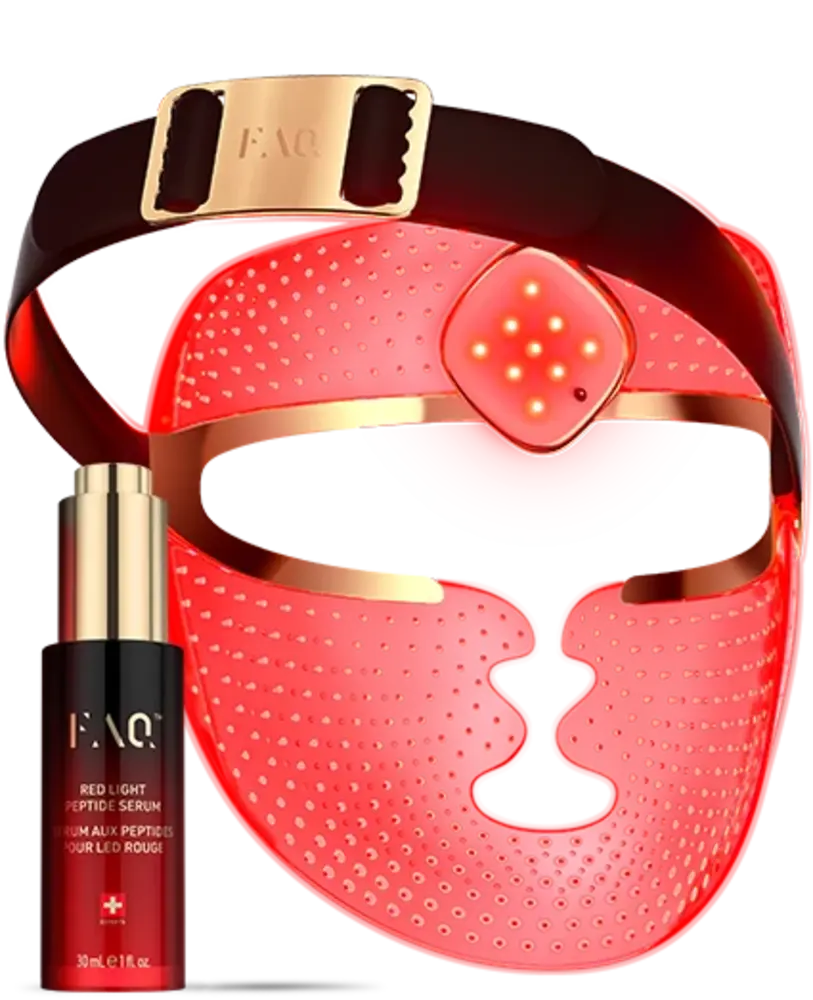


Partner links: we may earn a commission if you buy through these links, at no extra cost to you. Prices and availability can change, so confirm details on the retailer's page.
Final checklist
- Choose a defined routine step.
- Compare distinct products rather than colour duplicates.
- Check directions and warnings.
- Verify the current merchant price and currency.
- Review shipping, returns and warranty before payment.
- Keep the routine manageable and reassess before adding more.
Continue with the GlowSculpt guides, explore the product collections on the homepage, and review the affiliate disclosure to understand how commercial links work.